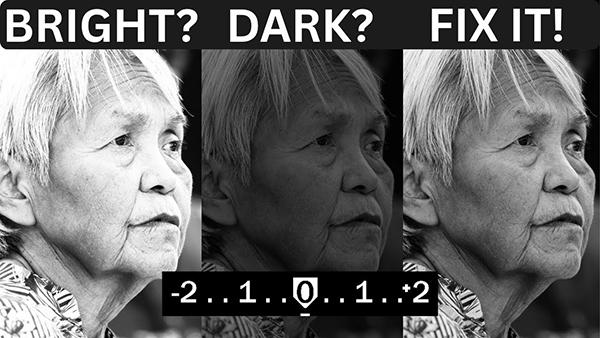
Your camera's light metering system is one of the most important tools in photography, yet some shooters fail to understand how it works. So if your images often appear too bright or unnaturally dark, this tutorial from the Hamed Photography YouTube channel is just what you need to solve this frustrating dilemma.
Half-frame frenzy! Fujifilm has made it possible for users to realistically experience nearly every aspect of shooting a 35mm half-frame film camera, downloading the results in a way that simulates an authentic analog adventure and—as a bonus—creating 2-in-1 (diptych) images in-camera or via the snappy Fujifilm X half app. Using it is truly a fun trip, but questions remain.
If you're unfamiliar with the term "clipping" it's time we brought you up to speed and revealed how easy it can be to prevent this common occurrence from spoiling the quality of images you shoot in the field. Today's concise explainer from the Souvenir Photo Pros YouTube channel explains everything you need to know in two minutes flat.
Most of you are hopefully using the camera's familiar Luminance histogram to fine-tune exposure, especially when shooting under difficult lighting situations. But are you aware that some modern mirrorless cameras offer the option to select an RGB histogram instead? This tutorial from Adorama TV will quickly bring you up to speed so that you'll understand which tool to use when.
If you shoot with any Fujifilm X-series camera you know the joy of adjusting the color settings to create real or imaginary film simulations. Here's the single best resource for replicating favorite traditional films or creating your own palette, and best of all, it's a genuine Fujifilm website.
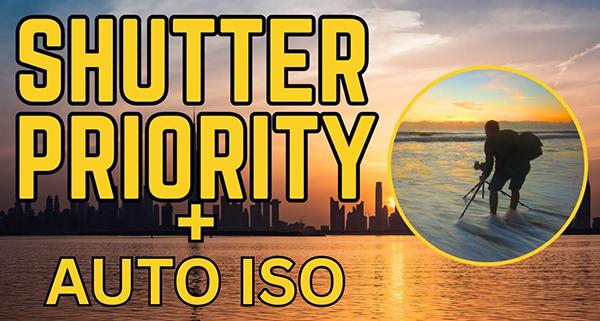
The Shutter Priority mode, often labeled "S" or "TV" on your exposure dial, provides you with full control over this key setting while the camera automatically adjusts aperture to arrive at accurate light. Today's video below from the Hamed Photography YouTube channel adds an interesting twist that makes this approach to exposure even more useful than you thought.
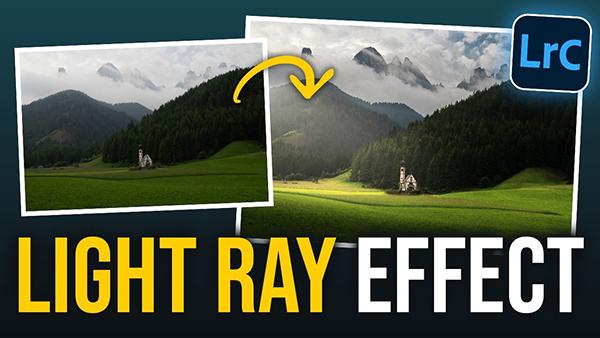
One foolproof method for transforming a dull landscape photo into an attention-grabbing winner is to embellish the shot with natural-looking light rays. This video from the PHLOG Photography YouTube channel demonstrates a very effective Lightroom process for getting the job done to perfection.
One important wildlife photography technique that deserves far more attention involves configuring your camera with two or three Custom modes for instantly switching between settings for action, low light, or general photography.
We're all looking for new ways to expand our repertoire and b&w infrared (IR) photography is a great technique for capturing awe-inspiring images with an otherworldly look. Today's quick tutorial with instructor Richard Herzog demonstrates how easy it is to get the job done in the camera.
The Nikon Z6III sits about in the middle of their Z-series mirrorless camera lineup, but make no mistake! The Z6III is way more than a mid-range camera. Chockfull for high-end photo and video features, the Nikon Z6III is sure to be a favorite, durable creative workhorse for years to come.
It can be extremely challenging to capture accurately exposed photos of scenes with a wide range of brightness values from white to black and everything in between. This tutorial from the My Photo Journey YouTube channel explains how to get the job done in the camera by selecting the oft-ignored Spot Metering mode.
Most photographers are gear freaks who chase the latest and greatest imaging innovations, and new cameras tend to be near the top of everyone's list. Maybe you finally want to make the switch from a DSLR to a mirrorless model, or perhaps you want a full-frame camera with more resolution.
It's sort of surprising that more photographers don't avail themselves of the all-important histogram when shooting and editing their work. One of our favorite landscape shooters puts it like this: "Understanding the histogram is key to mastering exposure and taking control of your photography."
Friends or mentors have likely broached the concept of "low key photography," but you're uncertain what the term really means or how to capture images with a dramatic look that can be easily achieved if you know a few basic tricks. This straightforward primer discusses everything you need to know for getting the job done with simple gear.
It's surprising how infrequently some photographer's clean the sensor in their cameras, all the while aiming for the best image quality possible. Dirty sensors cause a variety of problems, not the least of which are ugly dusts spots and other artifacts on every image you shoot.