Get ready for some expert advice from a Finnish pro who reveals seven smart camera settings that are guaranteed to change how you shoot on the street. The promise is that there will be no more missed shots or incorrect exposures if you heed Peter Forsgard's advice.
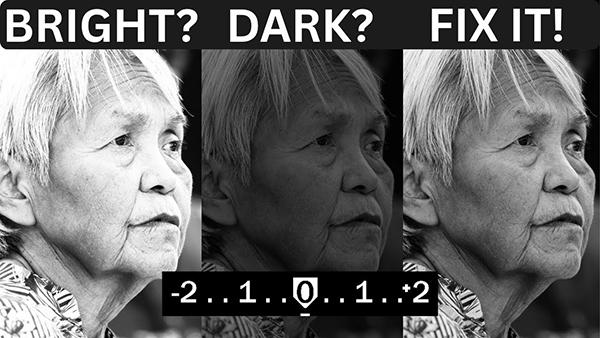
Your camera's light metering system is one of the most important tools in photography, yet some shooters fail to understand how it works. So if your images often appear too bright or unnaturally dark, this tutorial from the Hamed Photography YouTube channel is just what you need to solve this frustrating dilemma.
We've all suffered the disappointment of capturing what we thought was a spectacular photograph, only to return home, pull it up on the computer, and discover that the image is painfully soft. Maybe the problem was camera or subject movement, incorrect camera settings, or some other mistake, and other times we can't even identify the culprit.
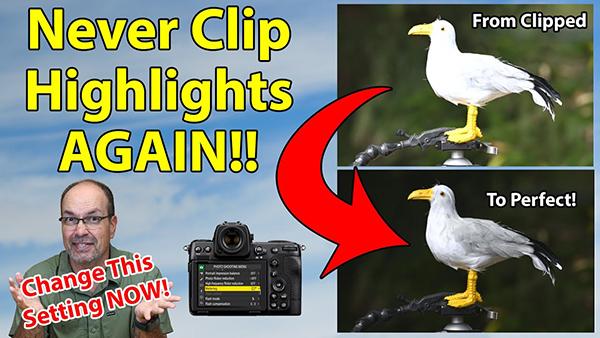
Have you ever spoiled an otherwise great shot by clipping highlights on a sunlit wildlife subject? Maybe a bright white bird is blown out and totally devoid of detail, or perhaps it's just the wings that are grossly overexposed.
Today we're exploring a common culprit for disappointing landscape photos with blown-out skies and other key elements that are far brighter than the rest of a scene. The solution has to do with the fact that many photographers never take time to explore the obscure options buried in their camera's menu.
Low-light photography can be quite a challenge whether you're shooting in the field or indoors in a dim room with available light. Today's quick tutorial with Anthony Crothers is for those of you who are struggling with blurry, grainy photos in situations with less-than-ideal illumination.
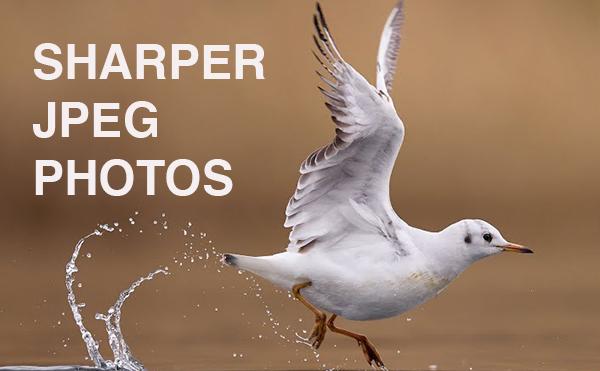
Most photographers are at least tangentially aware of the benefits of shooting Raw to maximize image quality and provide enhanced post-processing flexibility. But what if you prefer to keep things simple, never make large prints, and typically display your image online? In other words, what are your options for shooting and editing Jpeg files for optimum results?
Every new photographer is forced to confront a bewildering array of unfamiliar terminology from camera settings, features like exposure control, and physical buttons, to odd-sounding technical methods and post-processing nomenclature. So pull up a chair and let's get you up to speed.
Are you struggling with soft, blurry photos even though you've invested in great glass? Before you blame the camera and invest in a new one, be sure to pay close attention to this eye-opening tutorial from internationally acclaimed wildlife photographer Ejaz Kahn.
Experienced photographers understand the many benefits of shooting in Raw, but you may be in for a surprise—especially if the images you capture don't always look quite as good as expected. That's because, according to conventional wisdom, Jpeg settings aren't relevant when using the Raw file format.
Let's pretend for a moment that you own the best gear money can buy and you've spent years refining both technical skills and artistic vision. Under these circumstances it's reasonable to expect a high percentages of portfolio-worthy results.
Most photographers understand the benefits of the Raw File format but still prefer shooting Jpegs instead for a variety of reasons. Maybe you don't want to spend time with a Raw converter and making the necessary edits, lack the necessary storage for the much larger Raw files, or primarily share your images on social media where Jpegs are all you really need.
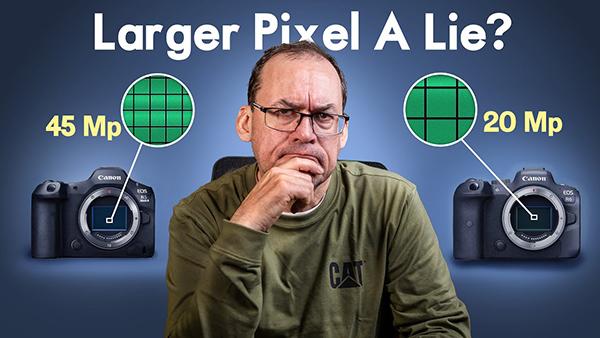
You've all heard the chatter that cameras with larger pixels deliver better image quality than those with smaller pixels, and probably wondered if this is really true and exactly how it works. The video below from one of our favorite outdoor photographers reveals what he says is the truth about this contentious matter.
The concept of color space is one of the most misunderstood topics in photography, and some shooters don't even realize that their camera offers a choice of options from which to choose. This quick tutorial from top pro John Gress clears up the confusion by explaining the difference between Jpeg and Raw and when you should employ one or the other.
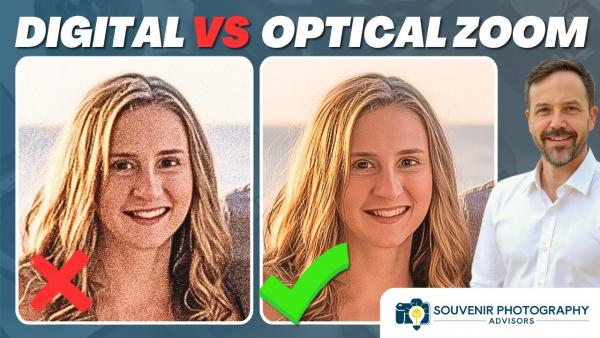
Many of today's modern cameras enable you to determine the maximum reach of their lenses, whether you're shooting with a smartphone, pocketable compact, or mirrorless model. And understanding what the two options mean, and how they work, will have a significant impact on the ultimate image quality you receive.