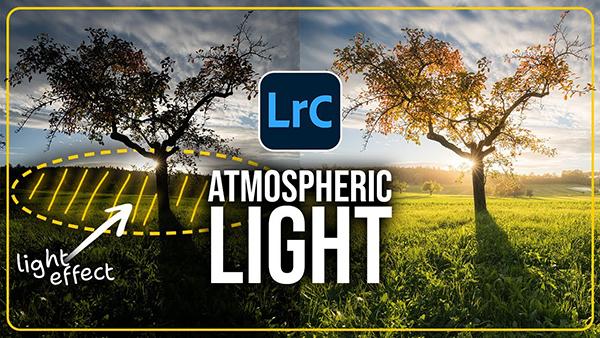
Today's quick tutorial is all about breaking one of those "rules" you learned when first starting out; namely, that you should strive to shoot with the sun at your back whenever possible. That's because this approach delivers predictable results, when your ultimate goal should be to capture unique images that stand out from the crowd.
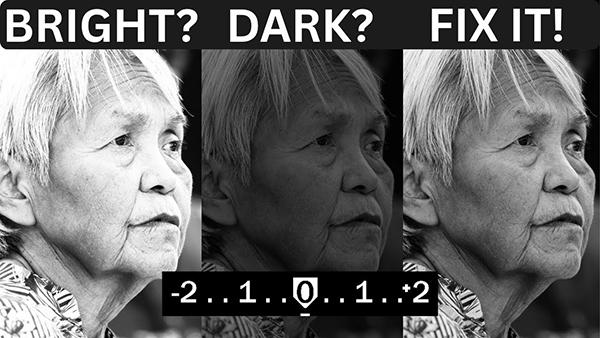
Your camera's light metering system is one of the most important tools in photography, yet some shooters fail to understand how it works. So if your images often appear too bright or unnaturally dark, this tutorial from the Hamed Photography YouTube channel is just what you need to solve this frustrating dilemma.
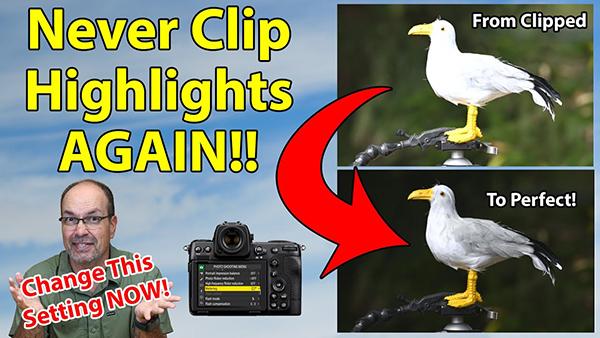
Have you ever spoiled an otherwise great shot by clipping highlights on a sunlit wildlife subject? Maybe a bright white bird is blown out and totally devoid of detail, or perhaps it's just the wings that are grossly overexposed.
Today's beginners guide to macro photography is a great reminder that this unique genre should be considered a year-long pursuit, rather than a Spring endeavor once plants begin to bloom. Summer provides great opportunities for capturing insects and other small creepy crawlies, there are mushrooms in fall, and don't forget about those ephemeral snowflakes falling in winter.
We all look forward to those "perfect" days in the field when we're greeted by beautiful light, eye-catching blue skies with billowing clouds, and an enchanting scene with interesting depth and dimension throughout the frame.
The technique known as Expose to the Right (ETTR) can make a huge difference in the images you capture in Raw, but this method is frequently misunderstood and can lead to compromised results if you take the wrong approach.
Everyone loves their pets and consider them part of the family, so it’s surprising that some photographer (who should know better) limit their images of these faithful friends to what could best be described as casual snapshots.
If you're interested in giving boudoir photography a try, the first step is understanding how to pose inexperienced models like a spouse, significant other, or a friend who wants to give it a try. You can also keep things simple by shooting with natural illumination, like light streaming through a window in your home.
People are spending more time on the beach to escape the sweltering heat and there's no better way for photographers to enjoy these outings than by capturing beautiful portraits that tell a welcome story.
This comprehensive guide is designed to help you discover the magic of Blue Hour landscape photography and capture the best images possible during this beautiful time of day just before sunrise or shortly after the sun drops below the horizon.
If you're just getting started in photography or you're struggling to get the light right, the video below will quickly get you on the path to success. This lesson comes from the Reviews and How-Tos YouTube channel, a popular source of in-depth tech reviews, camera techniques, and straightforward post-processing tutorials.
A couple months ago we brought you an encouraging beginners guide that explained how to master the basics of on-camera flash. We hope that piqued your interest, helped overcome your fear of flash, and set you on the path for success.
Images captured in silhouette convey a super dramatic look that's impossible to ignore, whether you're shooting portraits, landscapes, nature subjects and more. Today's quick video provides a step-by-step breakdown from start to finish so that you can get started today.
We've all had the misfortune of nailing composition only to get a photo that's too bright or way to dark. Despite what you may have been told, it's not necessary to rotate your camera's mode dial to M in order to avoid these exposure problems.
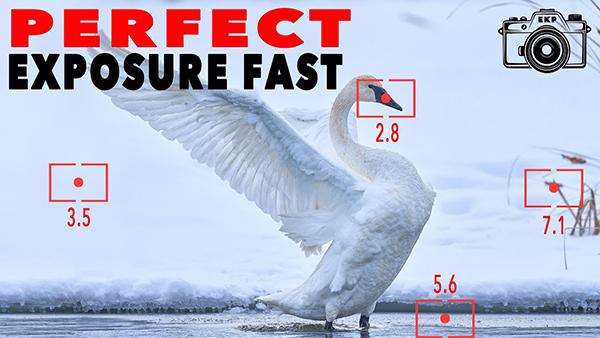
Your camera's Spot Metering mode is one of the most powerful options at your disposal, yet this transformative setting is often ignored because photographers don't understand how it works. And that's too bad because, when used properly, it's almost impossible to end up with disappointing images that are either too bright or too dark.