


- REVIEWS
Camera Reviews 
More Reviews Mobile Reviews Photography Reviews - GALLERIES
- VIDEOS
- BUYER'S GUIDES

A Love For The Jungle; The Nature Photography Of John Isaac
Bouncing along in a jeep or seated high upon an elephant’s back, John Isaac is ever alert to his surroundings. “Though I am particularly looking for a tiger, everything in nature is important,” he says, “even an uninhabited, beautiful landscape.”
 |
 |
|
|
||
Today, Isaac is excited. He has spotted a spectacular, endangered black buck antelope with its beautiful curved horns. “When they run,” he says, “they are poetry in motion.” For Isaac the jungle itself is poetry and, coupled with his degrees in biology and zoology, he is at home while living his dream in the world of wildlife.
 |
After almost 30 years as chief photographer for the U.N., Isaac returned to New York from Rwanda in 1998 and laid down his camera. It was summer and as he stood in his yard one morning a butterfly settled on a sunflower nearby. It was at that moment that Isaac’s destiny was decided. He would do what he loved, combine his love of photography with the world of nature and photograph the animals in their homeland. His goal was wildlife photography and he would experience what it was to become part of the jungle and its inhabitants.
 |
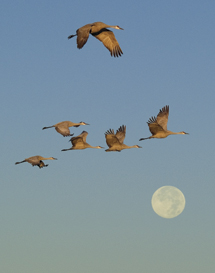
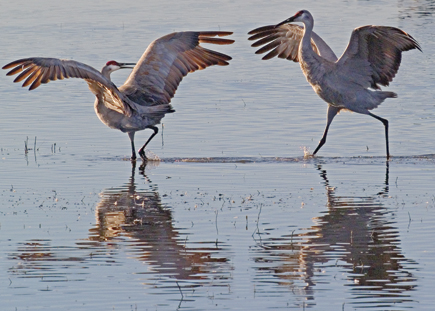
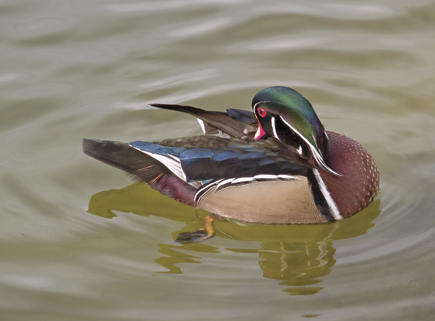
Five years ago I began to see pictures from Isaac of the sandhill cranes in New Mexico, followed by Isaac in his flowered hat and shirt in Tennessee trying to attract the colorful hummingbirds. His next venture took him to Bharatpur in Southern India to photograph the exotic birds in the wildlife sanctuary there.
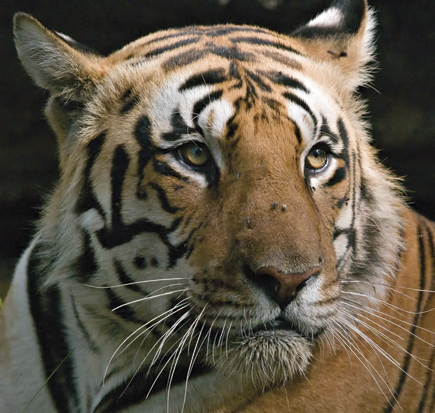 |
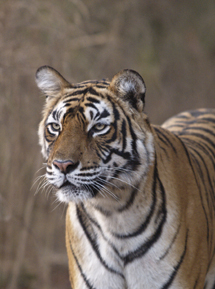
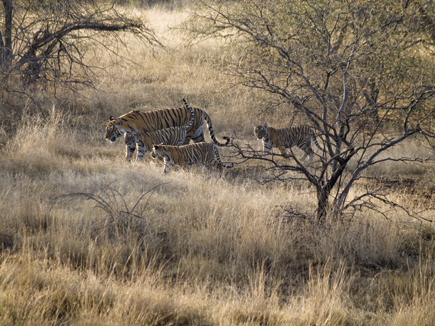
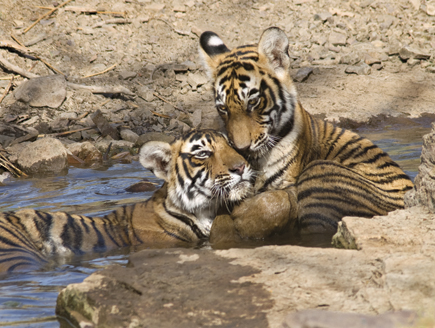
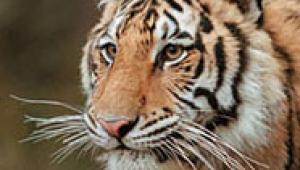
Isaac’s fascination spread to the elephants and tigers and for a few years he went back to visit and photograph a leopard and her three cubs. As I write this story Isaac is in Kanha National Park in Southern India trying to spot tigers. There he can drive in a jeep on the open plains as well as the thicker areas.
 |
“When the tigers come out into the plains I can see them, though often they are shy and try to avoid us,” he says. “Other times I am only 5 feet away from the animal.”
Is he afraid? Nope! “I don’t think they will attack me,” he says. “So far I’ve had no encounters other than with a single-trunk elephant that chased our jeep. These elephants are territorial and usually have lost their tusk in a fight so will often become wild and dangerous. They run very fast and they are smart—they even know when you are trying to take a curve in your jeep and know how to take the shorter route.”
 |
Isaac’s routine in the jungle runs something like this: “My guide and I usually get up at 4:30 in the morning and by 6 we have our permits and are allowed to enter the jungle. In the morning there is a better chance to see the animals and the morning light is beautiful. You have a window between 6 and 8 but after that the sun is harsh and the tigers won’t be out.
 |
| |||||||||
|

| ||||||||








 FEATURED VIDEO


Get the Latest Photo Tips, News & Reviews from Shutterbug!







| Camera Reviews Other Reviews | |
Mobile Reviews Photography Reviews Columns | |
News | |
Features | |
How-To | |
Resources |
 © 2026 Shutterbug
AVTech Media Americas Inc., USA
All rights reserved