


- REVIEWS
Camera Reviews 
More Reviews Mobile Reviews Photography Reviews - GALLERIES
- VIDEOS
- BUYER'S GUIDES

Pro Talk; David Alan Harvey
He figured he'd be one of the last of the holdouts. "When the whole
digital revolution started, I thought I'd be the last guy to be shooting
digital," David Alan Harvey says. Then along came an offer he didn't
want to refuse. "Nikon was working on an ad campaign for their D100, and
they asked me if I'd go down to Mexico and shoot with the camera. They
knew I'd done a lot of shooting in Juahaca as part of my Spanish culture
project. They said pick a place you'd really like to go, take the camera
and see how you like it. So I said sure. It was a good commercial shoot, and
it would give me a chance to see how I'd like digital."
The learning curve was a blip. "I spent about 15 or 20 minutes with a
Nikon tech person who showed me the basics of the camera and I was off,"
David says. "I had my favorite lens on the camera, the 20mm, and right
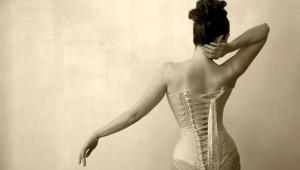
away I thought, hey, this is great." The photos you see here are outtakes
from that ad shoot; they were among his very first digital images. "I
figured out right away how to make the camera work in the kind of light I liked
to work in--interior, dusky, moody light." When he found he could
set up the digital camera to take his kind of pictures, everything fell into
place. Simply, his camera may have changed, but his vision never had to. "I
used the camera for a short assignment after the ad shoot," David says,
"and I was pretty well hooked into it."
 |
|
 |
|
|
Being able to shoot in his style with digital was vital, but the convincer
was, he says, "being able to edit in the field, and being able to see
how the story is coming." David prefers the lengthy, narrative assignment,
and, as he says, "storytelling benefits when you're seeing the story
as you're capturing it. For all my National Geographic stories, I'd
go out in the field for eight weeks and not see any film. Now, I had a real
strong sense of what I was doing. I'd gotten used to not seeing the pictures,
and if you'd asked me back then if that was a problem, I'd say no.
I'd learned how to deal with it. But having the ability to look at the
material while I'm there and seeing how it's all sorting out, that's
definitely an advantage. Seems to me that it makes the story stronger. And I
think you can be looser with digital; you try different things.
"Put it this way: I haven't been back to film since I did that ad
shoot."
David Alan Harvey is a NikonNet "Legends Behind the Lens" featured
photographer. The current "Legends" story and an archive of profiled
photographers, including David, can be found at www.nikonnet.com.
| ||
|
||












 FEATURED VIDEO


Get the Latest Photo Tips, News & Reviews from Shutterbug!







| Camera Reviews Other Reviews | |
Mobile Reviews Photography Reviews Columns | |
News | |
Features | |
How-To | |
Resources |
 © 2026 Shutterbug
AVTech Media Americas Inc., USA
All rights reserved