


- REVIEWS
Camera Reviews 
More Reviews Mobile Reviews Photography Reviews - GALLERIES
- VIDEOS
- BUYER'S GUIDES

Create Top Model Portfolios
Tips From A Pro
Making photographs for a model's portfolio involves much more than just using the proper posing and lighting techniques and includes all of the less glamorous and business-oriented aspects of creating these kinds of images. The process starts with finding models and ends with a happily signed release. What happens in between these two events--the business side of model photography--is the main focus of this story. Communicate! I often get calls from models and aspiring models asking for interviews and portfolio reviews, but I only have so much time available. To give the models the time they deserve for a review, and to make sure that she and I might actually be able to work together, I do a bit of pre-screening. For some time I've been using a Pre-Interview Form to find out some basic facts about the model and mail the form before any interviews are done. The form includes the typical name, address, and physical description information you might expect, but also asks what kinds of modeling styles she's available for and what hours and days she is available for photo sessions. If you need a swimsuit model and she isn't interested in posing for those kinds of images, or if her availability and your schedule are not compatible, you can save both of you time and effort by not scheduling an interview. I also ask for a small photograph of the model or a web site URL. I make sure to include a self-addressed stamped envelope along with the form to make it convenient for the model to reply. Nevertheless, only 60 percent of the models that call bother to return the Pre-Interview Form. Of that, I interview about half. |
|||
For models whose work that I'm already familiar, either through their web site or referrals from other photographers or models, I use a Casting Form during the initial portfolio review. The Casting Form is similar to the Pre-Interview Form shown and includes e-mail address as well as traditional contact information. After making them comfortable, I ask them to fill out the form while I flip through their "book." The questions on the two forms are almost identical, and let me know--along with the kind of images in their portfolio--the kind of projects on which I might be able to use the model. You can't rely on forms to do all the work, so during the interview I spend time with the model talking about the kind of photographs that I like to make, but more importantly, what she likes to do. When you have overlapping interests you have the possibility of creating some great images together. If she is a new or inexperienced model, I also give her another form that has some basic tips on what I expect from a model, starting with being on time for the shoot. Some of the other tips have to do with what she can do to make her photographs look better and how to provide variety in her portfolio. Tips For Great Portfolio
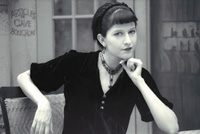
Prints Keep jewelry to a minimum. Seeing the same necklace in different shots and different outfits detracts from the impact of all of those images. Even if a bracelet or necklace is a good luck charm or was given to the model by a beloved family member, I ask that they use it for one series, or better yet, leave it at home. The same is true of watches. Wear solid colors. Nothing detracts from a model's face or figure more than clothes covered in busy patterns and prints. I always tell models that the time to wear these kinds of clothes is when a client is paying them to wear them or for fun, not during a portfolio shoot when emphasis should be on the model. |
|||
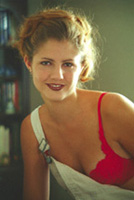
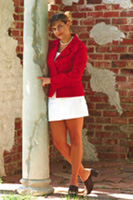
Make sure the clothes fit. While this might seem obvious, too many times I've seen models wearing ill-fitting clothes that do nothing but divert the attention of viewers from the portfolio images. Swimsuits, for example, should be snug, with no gaps showing when they move. They also shouldn't be too tight. The camera shows the truth. If the model has skin problems, such as peeling from a suntan or incomplete overall tan coverage for the clothing they're planning to wear, I suggest that they call to reschedule. Makeup, camera filters, or even a few digital tricks can correct minor problems, but they're not miraculous cures. Hair styles. To provide variety in portfolio images, suggest that the model style their hair differently for each change of clothing during a shoot. You can change the kind of film and lighting used, but nothing can change the way the hair looks. When trying to create a variety of looks, short hair can present a challenge. For variety, try a wig. While wigs can be expensive, the model may be able to borrow one, or if they know a makeup artist who works with wigs, suggest you set up a shoot where all three of you work together to create sample images. Don't forget hats-- except for cowboy hats, which are way overdone. Hats can change the look of a model's portfolio photos, too; look for fun and interesting hats in thrift and discount stores. Experiment. When creating portfolio images, use the time to try something different. If a model's portfolio features mostly casual photographs, suggest that they wear something more formal. If all they have are photographs wearing business suits, ask them to consider wearing a swimsuit or lingerie for a few poses. Expression. The expression on a model's face tells the story of who they are. If they only have one look on their face, their portfolio will be monotonous. Most people--models included--have one side of their face that photographs better than the other but don't let that stop you from posing them one way or another. Tattoos and piercings? Unless you want to create a portfolio of images showing that a model is only available for limited types of assignments, large tattoos and multiple piercings, while stylish today, ultimately detract from a portfolio and future assignment opportunities that may arise. Fake tattoos are a good way to add some spice to images and are much less painful. Makeup. No matter what style and color of makeup that a model thinks makes her look best, suggest that they change their makeup style and color when changing hairstyles or outfits. This makes each portfolio image look truly different. I always tell the models that they shouldn't be locked into one look. I made some suggestions to one model about the type of lipstick she wore and not only did she like the resulting photographs better, her husband liked the way she looked, too. I never could get her to do anything with her eyebrows, though. Footwear. Wearing the right shoes can make as much a difference as the right makeup. Ask a model to bring along at least one pair of shoes with the highest heels they have--or can borrow. It changes the way they stand and gives them a bit of height that all but the tallest models can use. |
|||
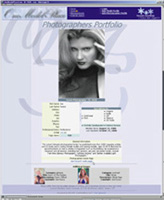
One Final Tip Finding Models On The Internet |
| ||
|
||









 FEATURED VIDEO


Get the Latest Photo Tips, News & Reviews from Shutterbug!







| Camera Reviews Other Reviews | |
Mobile Reviews Photography Reviews Columns | |
News | |
Features | |
How-To | |
Resources |
 © 2026 Shutterbug
AVTech Media Americas Inc., USA
All rights reserved