


- REVIEWS
Camera Reviews 
More Reviews Mobile Reviews Photography Reviews - GALLERIES
- VIDEOS
- BUYER'S GUIDES

3 Tips For Using Water To Enhance Your Images
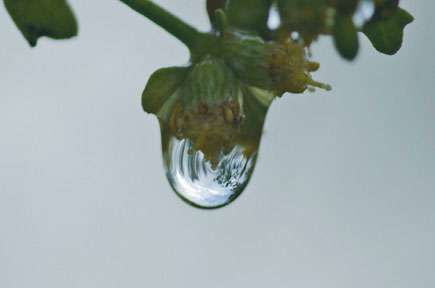
Water is important stuff. We couldn't exist without it. Besides being necessary for life as we know it, water provides us with power, transportation, recreation...and great photo-ops. Here are some tips and ideas to help you make the most of them.
 |
|
 |
|
|
Tip #1: Reflections
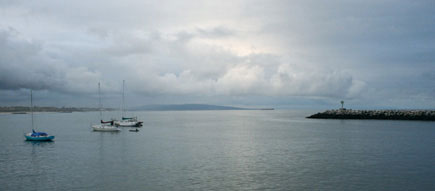
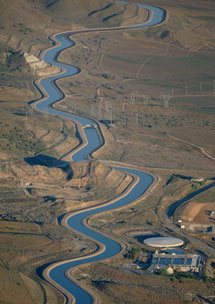
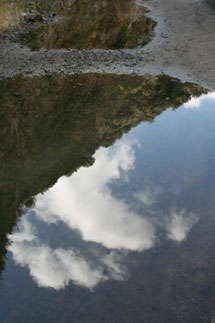
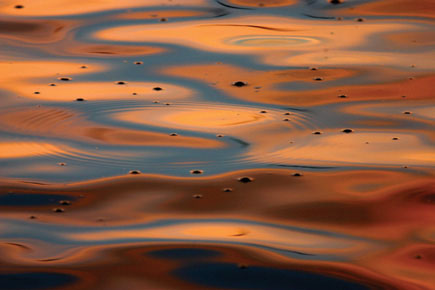
Pure water is colorless. Bodies of water take on colors of things they reflect. Water appears blue when it reflects the blue sky. If you're viewing a body of water at an angle that reflects plants, the water will look green. If a nearby red building is reflected, the water will appear red. Look for colorful reflections in water, and use them as compositional elements. If the water surface is not perfectly smooth, the reflections will take on interesting abstract shapes; but beware of "rough seas"--if the water is too choppy, there won't be any reflections.
 |
 |
||
|
|
||
 |
|||
|
|||
Tip #2: Moving Water
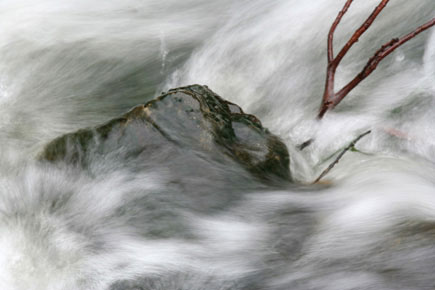
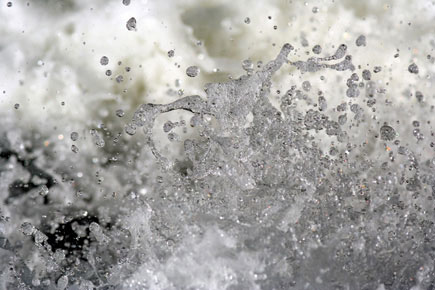
When water is moving, you can get a variety of effects by using different shutter speeds. Short exposure times will freeze the moving water into strange forms, while long exposure times will blur the water into ethereal wisps. I tend to like the effects of exposure times in the 1/8--1/30 range best, but it depends on the subject and the shooting distance. It's simple enough to try a variety of shutter speeds, then pick the images you like best. Mount the camera on a tripod when using long exposure times, to avoid camera shake--you want the moving water to blur, but not the whole scene.
 |
|
|
|
 |
|
|
| |||||||||
|

| ||||||||







 FEATURED VIDEO


Get the Latest Photo Tips, News & Reviews from Shutterbug!







| Camera Reviews Other Reviews | |
Mobile Reviews Photography Reviews Columns | |
News | |
Features | |
How-To | |
Resources |
 © 2026 Shutterbug
AVTech Media Americas Inc., USA
All rights reserved