


- REVIEWS
Camera Reviews 
More Reviews Mobile Reviews Photography Reviews - GALLERIES
- VIDEOS
- BUYER'S GUIDES
Do It Yourself
Build An Ultra Wide Shift Camera Part 1
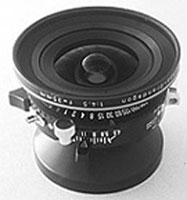
This month we have a Level 5 project (see the April 2000 issue for an explanation of the DIY complexity scale) that I've broken into two parts for convenience. This part describes the concept and the basic camera design, with next month's Part 2 covering construction details, finishing, and use. Made of bass or other easily-worked hobby shop wood and ordinary hardware, materials for the camera body should cost around $30, but the required lens, ground-glass back, and optional rollfilm holder could run several hundred dollars if you do not already have them. Please read both parts carefully before beginning and, if the purchase of the major components is necessary, weigh the total cost against that of a ready-made version of this specialized camera type. A wide angle shift camera is a hybrid 4x5" or medium format view camera with only front rise and fall movement. Because the exceptionally short focal length of the lens, usually no more than 65mm, places its rear element only millimeters from the film surface, the creation of swing and tilt with a bellows and moveable front and rear view camera standards is impossible. Often used to capture expansive architectural subjects, such cameras rely upon this extensive lateral rise/fall action to achieve the desired composition without having to angle the camera up or down and introduce "falling over" subject distortion. As the inherent depth of field of short focal lengths is considerable even at medium-sized apertures, the absence of other perspective control movements is seldom a problem. |
|||
This design uses 4x5" and 120 film, the latter via a removable rollfilm holder, and is designed around a specific ground-glass back and lens. Consider building the body to accept a rented lens if you do only occasional ultra-wide photography, but make sure the same make and model of lens will be available each time you need it. A 4x5" ground-glass back can be cannibalized from a beaten-up press camera bought inexpensively at a photo swap meet (see Coming Events in this issue), also a good source of used rollfilm holders. Those with a 4x5" view camera can simply borrow its back and size the body to fit. Despite its sophistication the project is fairly easy to build and requires only basic woodworking tools, but very accurate measurements and careful assembly are a must for sharp, fog-free images. The accompanying table lists a number of currently produced short lenses and their useable formats. If you are buying a lens, check the specifications of other view cameras you own or are considering to be sure it will infinity focus on them (using a bag bellows and a deeply recessed lensboard) to maximize your investment. Again, perspective control movements will be minimal or nonexistent with the very short lenses on many view cameras, but most will allow some swing and tilt with the 55-65mm focal lengths. If PC movements or other view camera-related concepts are new to you, invest in a good book on basic large format photography before pulling out your tools or your checkbook. |
|||
Focal Length Table Flange focal distance is the distance from the front of the lens panel to the film plane when the lens is focused at infinity. All of the above lenses are available in Copal 0 shutters with speeds of 1 to 1/500 sec, plus T and B. Considerably more lens rise, fall, or shift is possible when a film format smaller than the maximum size is used. |


| ||
|
||


 FEATURED VIDEO


Get the Latest Photo Tips, News & Reviews from Shutterbug!







| Camera Reviews Other Reviews | |
Mobile Reviews Photography Reviews Columns | |
News | |
Features | |
How-To | |
Resources |
 © 2026 Shutterbug
AVTech Media Americas Inc., USA
All rights reserved