


- REVIEWS
Camera Reviews 
More Reviews Mobile Reviews Photography Reviews - GALLERIES
- VIDEOS
- BUYER'S GUIDES

The Ladder; In Defense Of Imitation
It was something I read in a magazine not too long ago that inspired this column. The writer was talking about the three levels of creativity: imitative, adaptive, and innovative. I wish I could remember the context, but I made a quick connection to photography. We're imitative at the start; we copy others. Then we're adaptive; we make what we've imitated our own. Then we become inventive; we create out of our judgment and life experience.
 |
|
|
Those three stages instantly clicked with me (no pun intended). When we start out as photographers, no matter whether we're amateur or pro, I think we spend a period of time being not much more than the sum of our influences. There's nothing wrong with that. In fact, it's encouraged: we're told to study other photographers, see what they're doing, get inspiration from them. But my next thought was this: at what point do we start to move up the ladder? When do we stop imitating and adapting and start creating?
 |
|
|
I thought about my own work over the years, and once I'd decided to
use the three levels idea as a topic for a column, I had no choice but to look
back at a lot of my photographs and see if I could find points of demarcation.
And you know what? I couldn't. I saw no clear lines, no point where I
could say, okay, here's where I stopped adapting and started to innovate,
to create my own way of doing things. But I saw a transition, a change take
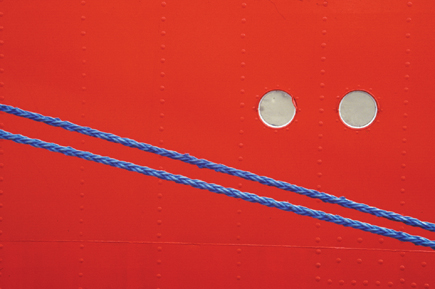
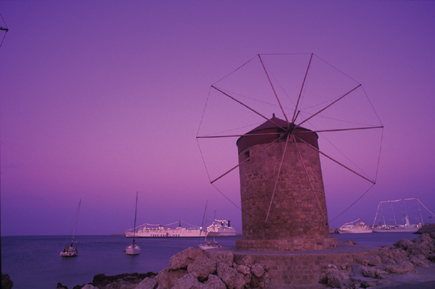
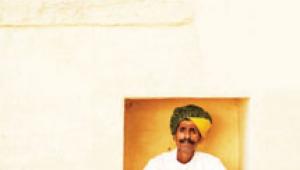
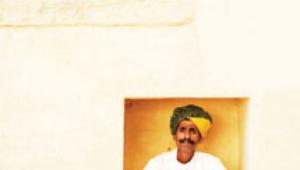
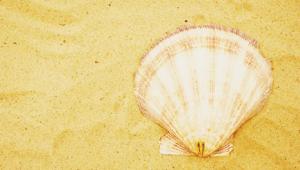
place, and the photos you see here are a rough chronology of that change. I
saw also that nothing I imitated or adapted ever really went away. It's
still there--or elements of it are--but it's not who I am as
a photographer today.
At the start I read about the masters of photography and studied their work.
I checked out my contemporaries. I didn't have the Internet then--I
attended shows and went to galleries and spent hours in bookstores and libraries.
I certainly didn't have a style. I'd see something and think, I
like this, it looks good. Because I was aspiring to be a professional, I also
thought, this sells, so I'm going to try to do it this way. My recognition
of what I thought was good came from what I saw on printed pages and gallery
walls; then I set out to recognize similar things in life.
 |
|
|
After a while I began to approach the second stage. I adapted what I liked
in the work of others to what I was starting to think of as my style. I'd
think, I like the way Richard Avedon does portraits, but I'm going to
add my touch to it, my ideas. So, for example, after imitating his distance
from a subject, I discovered I liked to back up a little and include, or suggest,
something else in the frame. I was more comfortable with that; I liked it better.
A small step, but I was on my way. Soon I was no longer making a conscious effort
to mimic what I'd seen and liked. I was seeing and liking on my own. And
one day I discovered I was just doing my thing.
| |||||||||
|

| ||||||||












 FEATURED VIDEO


Get the Latest Photo Tips, News & Reviews from Shutterbug!







| Camera Reviews Other Reviews | |
Mobile Reviews Photography Reviews Columns | |
News | |
Features | |
How-To | |
Resources |
 © 2026 Shutterbug
AVTech Media Americas Inc., USA
All rights reserved