


- REVIEWS
Camera Reviews 
More Reviews Mobile Reviews Photography Reviews - GALLERIES
- VIDEOS
- BUYER'S GUIDES

Passport
Little Bigs
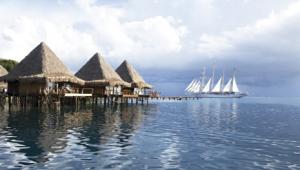
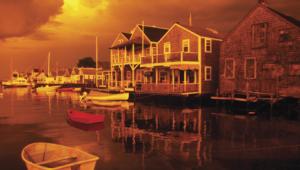
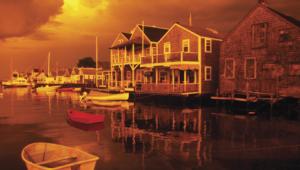
I first heard the phrase 10 years ago, and I don't remember exactly who said it, but he called them "the big littles," and he meant people positioned to appear small in the midst of sweeping landscapes. You know, the opposite of what we've always been told--that people in a scene should be identifiable; they should be the subjects, they should be€well, big. I put my own two cents in and have come to call them "little bigs," but the idea is the same. So, why would we want to turn things around? |
|||
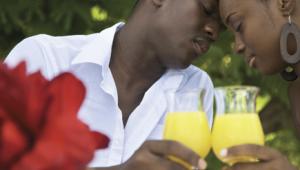
There are some practical reasons to put a little person into a big scene: to add scale; to add contrast; to add the human element to a landscape photograph by giving the viewer a person with whom he can identify. From a commercial point of view, a photograph with a small person in an epic landscape is what I call "stock friendly." If you look at traditional commercial stock pictures, you'll see tons of little bigs simply because the layout is so well suited to dropping in headlines, type, and product shots. It's an Art Director's dream, perfect for a two-page spread in a magazine. If advertising layouts aren't a consideration for you, why would you consider little bigs for your travel pictures? If anything, people taking travel pictures are admonished to make the people in their photographs if not prominent then at least recognizable. And you should take your share of those kinds of pictures--that is, if you have any interest in returning with photos that place you and your traveling companions at photogenic locales. |
|||
There are some practical reasons to put a little person into a big scene: to add scale; to add contrast; to add the human element to a landscape photograph by giving the viewer a person with whom he can identify. From a commercial point of view, a photograph with a small person in an epic landscape is what I call "stock friendly." If you look at traditional commercial stock pictures, you'll see tons of little bigs simply because the layout is so well suited to dropping in headlines, type, and product shots. It's an Art Director's dream, perfect for a two-page spread in a magazine. If advertising layouts aren't a consideration for you, why would you consider little bigs for your travel pictures? If anything, people taking travel pictures are admonished to make the people in their photographs if not prominent then at least recognizable. And you should take your share of those kinds of pictures--that is, if you have any interest in returning with photos that place you and your traveling companions at photogenic locales. But let's turn that around every now and then by giving the setting prominence and making the person the secondary element. Why? First, to say that context is important to the photograph. And to add drama and variety. |
|||
Emphasis & Empathy Generally it's best to think about composing little bigs using normal to wide angle lenses, simply because to get the landscape to be as prominent as possible you want a lot of it in the frame. But it's also possible to take these images with telephoto lenses. Just be sure that you keep your distance; don't let the long focal length force you to make the person dominant. The biggest bonus is that little bigs stretch your ideas and change the way you look at things. They shake things up and they call attention to the photograph. I've always thought of them that way: they'll get other people's attention, sure, but first they get your attention because you have to think in a different way about the picture you're taking. And anything that encourages a little new thinking is pretty big. |


| ||
|
||





 FEATURED VIDEO


Get the Latest Photo Tips, News & Reviews from Shutterbug!







| Camera Reviews Other Reviews | |
Mobile Reviews Photography Reviews Columns | |
News | |
Features | |
How-To | |
Resources |
 © 2026 Shutterbug
AVTech Media Americas Inc., USA
All rights reserved