


- REVIEWS
Camera Reviews 
More Reviews Mobile Reviews Photography Reviews - GALLERIES
- VIDEOS
- BUYER'S GUIDES

Passport
Face Value
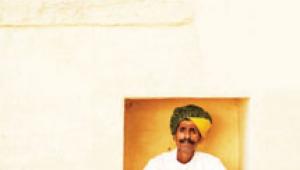
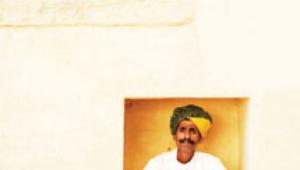
Noting my apparent success at photographing people, a writer once asked me how I did it--how I overcame the pitfalls, perils, and problems of travel portraits. After complimenting him on his alliteration, I said, "It's the kind of camera I use. Only I have access to it, and only I can shoot it. And it's the special brand of film, which only I can get." So much for the secrets. Seriously, let me first tell you some of the things I don't do. I rarely, if ever, shoot without permission. I either ask directly or through an interpreter (if I'm fortunate enough to have one on a given assignment); with no interpreter, I'll do it with body language--a gesture; perhaps pointing at the camera; a lot of eye contact; and always, a smile. I don't force a shot, and I don't sneak around, paparazzi style with long lenses, staking things out. That's not my style. Besides, I don't think it results in the best kind of people pictures simply because many people are very giving when I approach directly--they're happy to give me a pose or an expression. Others won't object, but will just go about their business and let me shoot them as they do whatever they were doing. In 20-plus years of this kind of shooting, I find more people who are cooperative than not. And if I find an uncooperative person, I respect his privacy. I say, "Sorry to bother you," and I move on, because right next to that person or right around the corner or down the road there will be 10 people who will be flattered to have their pictures taken. |
|||
I think that people, regardless
of language or culture, can immediately sense what kind of person you
are. You impart a sense of presence. If you approach them from your heart,
with humility but with confidence, and with a smile in your eyes as well
as on your face, you're going to get a shot. If you're arrogant,
insecure, or intimidated, that communicates itself as well. For me it's
no problem--I'm just my outgoing self, trying to make the picture
a fun and flattering experience. Another thing I never do is show up and stick a 200mm lens in someone's face and start shooting. There's almost always some sort of dialog before I take a single picture. If the person is a fruit vendor, I'll buy a piece of fruit and eat it and make some small talk. If he's selling souvenirs and curios, then I might buy something and ask him about the product or the clothing. I'll say, "Gee, my little daughter would like this." Mentioning my daughter is not accidental. I say it sincerely, but deliberately. It humanizes me, says I'm a family man, I have a child. And I usually have pictures of my family in my pocket and I show them. I'm always quick to mention my family. In effect I'm saying, "I'm like you, trying to make a living, I'm not some weird guy with a camera." |
|||
This kind of approach can take time, and some of the pictures you see here may have taken two hours. Now, some may have taken two minutes, but I have to put in whatever time it takes. I keep in mind that the two-minute and two-hour photos will balance out over time. Some of the two-hour ones might actually have taken that long because the person might have first said no. If I really want the shot, I'll hang around, talk some more or buy something and try to create the opportunity for him to change his mind. I'm politely persistent. I'm not a big believer in tipping or paying for photos. I think it sets a bad precedent for other photographers. But, of course, I've done it. And if someone who is involved in some sort of commerce goes out of his way and gives me time, I'll buy something nice from him, or give him some gifts I may carry in my pocket. |
|||
A final important word: Once you've gotten to know the person, spent some time and are at the point of taking the photos, you've got to have the technique down cold and be ready with the equipment so you're not fiddling around. It goes back to that sense of presence you have to have, that confidence in yourself and what you're doing; in a word, professionalism. You can't be fumbling around, digging lenses out of your bag. When I start talking to a person, I've got the right lens on the camera, know how I'm going to handle the background and the angle. I know the shot I'm looking for. I never approach unless I'm ready. Release Me |
|||
I get my release forms from a neat little book by Susan McCartney titled Travel Photography: A Complete Guide to How to Shoot and Sell, published by Allworth Press. In the back of the book are many short, simplified model release forms in various languages. I take the forms to a local business, make a bunch of copies and put an English translation on the back. |


| ||
|
||





 FEATURED VIDEO


Get the Latest Photo Tips, News & Reviews from Shutterbug!







| Camera Reviews Other Reviews | |
Mobile Reviews Photography Reviews Columns | |
News | |
Features | |
How-To | |
Resources |
 © 2026 Shutterbug
AVTech Media Americas Inc., USA
All rights reserved